
Resistant Starch
Explore resistant starch—a prebiotic fiber that feeds gut bacteria and improves metabolic health. Learn about food sources and benefits for blood sugar and weight management.
Resistant Starch - A type of starch that resists digestion, functioning as a prebiotic to feed healthy gut bacteria.
Key Takeaways
- Resistant Starch is a type of carbohydrate that resists digestion in the small intestine and acts as a prebiotic, feeding beneficial gut bacteria.
- Health Benefits include improved gut health, better blood sugar regulation, enhanced satiety, and reduced inflammation.
Introduction
Carbohydrates are often associated with blood sugar spikes and weight gain, but not all carbs are the same. Resistant starch is a unique type of carbohydrate that resists digestion in the small intestine and instead ferments in the colon, where it nourishes beneficial gut bacteria.
Research suggests that resistant starch can improve digestion, enhance metabolic health, and support weight management. In this blog, we’ll explore what resistant starch is, its health benefits, and how to incorporate it into your diet.
What Is Resistant Starch?
Unlike regular starches, which are quickly broken down into glucose, resistant starch "resists" digestion and reaches the large intestine intact. Here, it acts as a prebiotic, feeding beneficial gut bacteria and producing short-chain fatty acids (SCFAs) like butyrate, which support colon health.
There are four main types of resistant starch:
- RS1 – Found in whole grains, legumes, and seeds; physically trapped and difficult to digest.
- RS2 – Naturally resistant due to its structure; found in raw potatoes, green bananas, and plantains.
- RS3 – Forms when starchy foods like rice, pasta, and potatoes are cooked and then cooled.
- RS4 – A chemically modified starch used in some processed foods.
Health Benefits of Resistant Starch
- Supports Gut Health
- Acts as a prebiotic, feeding good bacteria and increasing the production of butyrate, which strengthens the gut lining.
- May help reduce bloating, gas, and digestive discomfort.
- Regulates Blood Sugar Levels
- Slows down digestion and glucose absorption, helping to stabilize blood sugar and improve insulin sensitivity.
- May lower the risk of type 2 diabetes.
- Aids in Weight Management
- Promotes satiety (feeling full longer), which can reduce overall calorie intake.
- Helps control cravings and improve metabolic health.
- Reduces Inflammation
- The production of short-chain fatty acids (SCFAs) from resistant starch has been linked to lower inflammation levels and improved immune function.
- Improves Digestive Regularity
- Enhances stool consistency and supports healthy bowel movements.
- May help prevent constipation and promote a balanced gut microbiome.
Best Food Sources of Resistant Starch
You can find resistant starch naturally in various plant-based foods, including:
Naturally High in Resistant Starch
- Green Bananas & Plantains
- Raw Potatoes
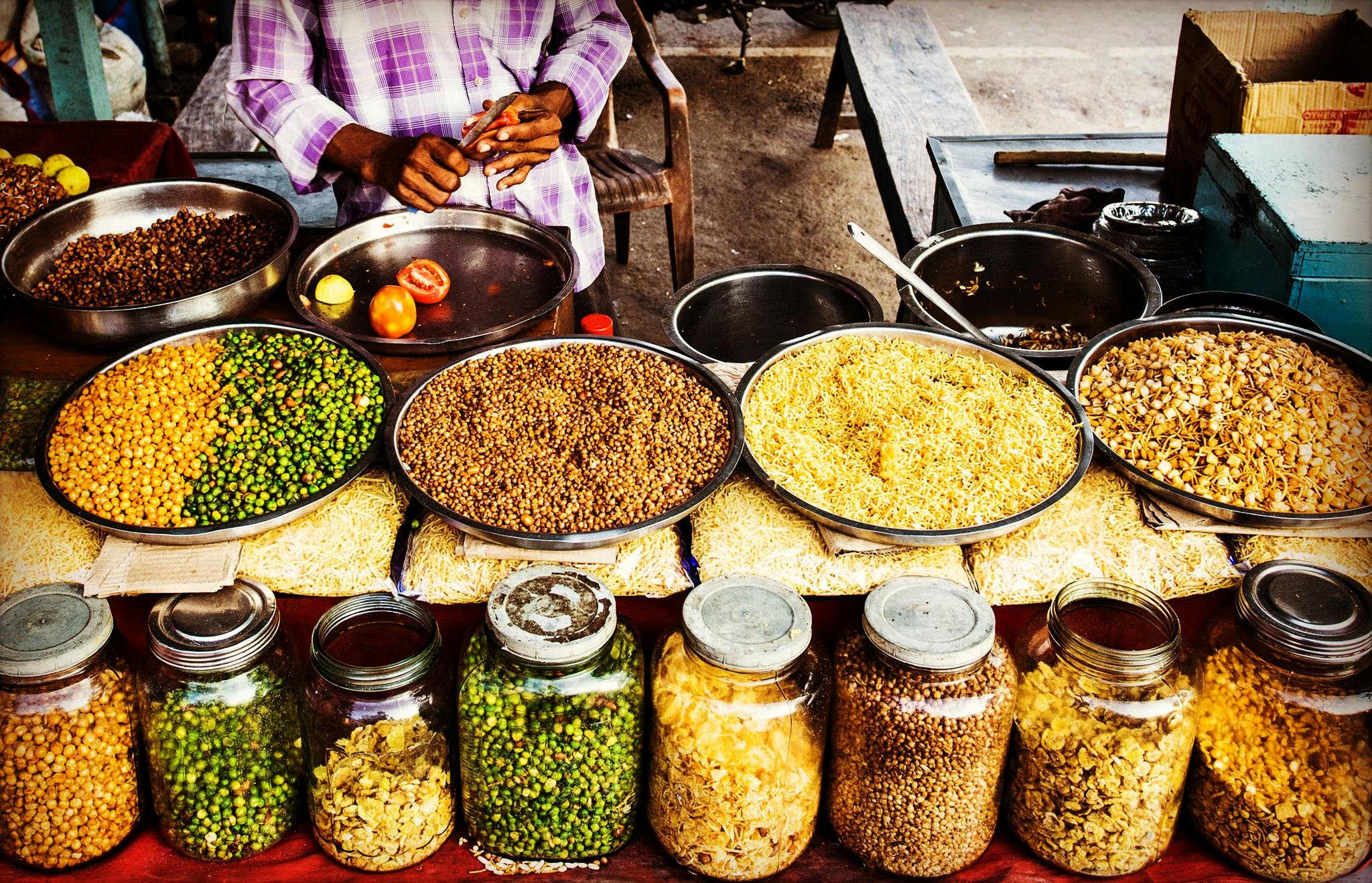
- Legumes (Lentils, Chickpeas, Beans, Peas)
Forms After Cooking & Cooling
- Cooked & Cooled Rice
- Cooked & Cooled Potatoes
- Cooked & Cooled Pasta
- Cooked & Cooled Oats (Overnight Oats)
To maximize resistant starch content, cook foods like rice, potatoes, and pasta, cool them for several hours or overnight, and then eat them cold or reheated at low temperatures.
How to Add More Resistant Starch to Your Diet
- Use Green Bananas in Smoothies – Blend green bananas for a mild taste and gut health boost.
- Prepare Overnight Oats – Let oats soak overnight to increase resistant starch.
- Eat Cold Rice or Pasta Salads – Cooking and cooling these starches increase their resistant starch levels.
- Include Legumes in Your Meals – Beans and lentils are rich sources of resistant starch and fiber.
- Try Cooked & Cooled Potatoes – Use them in potato salads for an easy way to add resistant starch to your diet.
Conclusion
Resistant starch is a gut-friendly carbohydrate with powerful benefits for digestion, blood sugar control, and overall metabolic health. Unlike regular starches, it resists digestion and feeds beneficial gut bacteria, promoting a healthy microbiome.
Incorporating resistant starch into your diet through foods like green bananas, legumes, and cooked-and-cooled rice or potatoes can enhance satiety, improve insulin sensitivity, and reduce inflammation. Small dietary adjustments can have a significant impact on gut and metabolic health.
Related Terms
- Prebiotics – Non-digestible fibers that promote the growth of beneficial gut bacteria.
- Short-Chain Fatty Acids (SCFAs) – Beneficial compounds produced when gut bacteria ferment resistant starch.
- Glycemic Index – A measure of how quickly foods raise blood sugar levels; resistant starch helps lower the glycemic response.