Organic Acids
Organic acids such as citric, acetic and lactic acid are found in fruit, vinegar and fermented foods. Learn what they do in the body and what an organic acids test measures.
Organic acids are carbon-based acids found in fruit, vinegar and fermented foods, and made by your own cells and gut bacteria. They play roles in energy production, gut health and food preservation.
Key Takeaways:
- Organic acids are carbon-based acids, such as citric, acetic, lactic and malic acid, found in fruit, vinegar and fermented foods.
- Your body also makes them: several sit at the centre of how cells turn food into energy.
- Gut bacteria produce short-chain fatty acids, another family of organic acids, when they ferment fibre.
- An "organic acids test" is a urine test offered by some private clinics. Its value for routine use is not well established.
What Are Organic Acids?
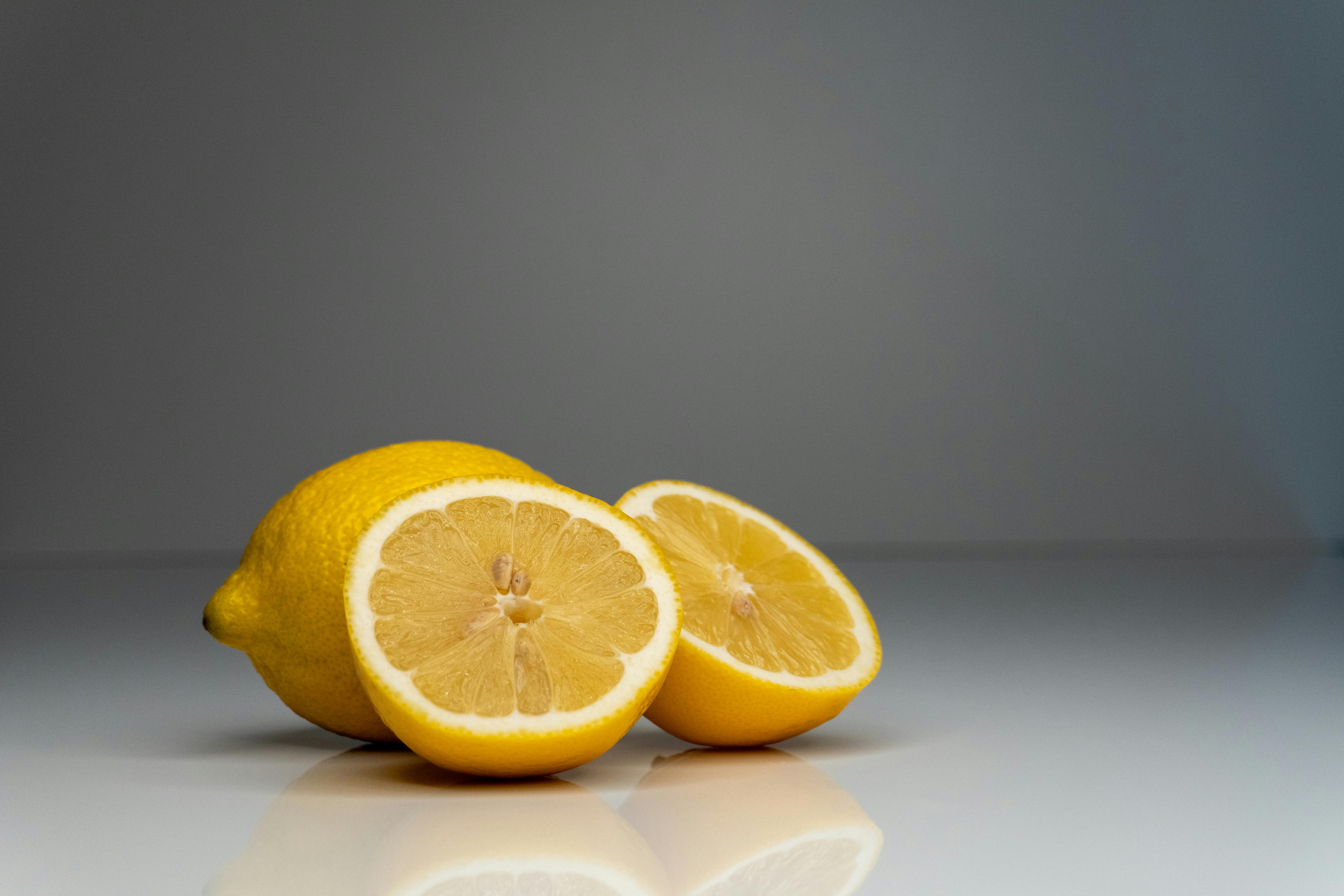
Organic acids are compounds that contain carbon and at least one carboxylic acid group (-COOH). Most are weak acids, meaning they only partly release their acidity in water. That is why they taste sharp, as in lemon juice or vinegar, without being harsh.
Common examples include:
- Citric acid: citrus fruit, and a central step in energy production inside cells.
- Acetic acid: the main acid in vinegar.
- Lactic acid: yoghurt, kefir, sauerkraut and other fermented foods. Your muscles also produce lactate during hard exercise.
- Malic acid: apples, pears and stone fruit.
- Tartaric acid: grapes.
What Organic Acids Do in the Body
Energy production. Citrate, succinate and malate are part of the citric acid cycle (Krebs cycle), the series of reactions that turns carbohydrate, fat and protein into usable energy.
Gut health. When gut bacteria ferment fibre, they produce short-chain fatty acids: acetate, propionate and butyrate. Butyrate is the main fuel for the cells lining the colon and helps maintain the gut barrier. This is one reason fibre-rich diets are linked with better gut health.
Food preservation. Acids lower the pH of food, which slows the growth of spoilage bacteria. This is how pickling and many fermented foods keep for longer.
Mineral absorption. Some organic acids, such as citric acid, can help the body absorb minerals like iron and calcium from a meal.
Best Food Sources
| Food | Main organic acid |
|---|---|
| Lemons, limes, oranges | Citric acid |
| Apples, pears | Malic acid |
| Vinegar, including apple cider vinegar | Acetic acid |
| Yoghurt, kefir, sauerkraut, kimchi | Lactic acid |
| Grapes | Tartaric acid |
| Oats, beans, lentils (via gut bacteria) | Short-chain fatty acids |
What Is an Organic Acids Test?
An organic acids test (OAT) measures dozens of organic acids in a urine sample. In NHS medicine, targeted urine organic acid analysis is used to diagnose rare inherited metabolic disorders, usually in babies and children.
Some private and functional medicine clinics also sell broad organic acids panels to adults, claiming to assess gut bacteria, yeast, nutrient status or mitochondrial function. These uses are not well supported by evidence. Results can change with recent meals, supplements and hydration, and there are few agreed reference ranges.
If you are considering this test, discuss it with your GP or a registered dietitian first. You can find a qualified practitioner in the Fueld directory.
Organic Acids in Industry
Beyond food, organic acids are used as acidity regulators and preservatives (listed as E-numbers such as E330 for citric acid), in medicines, and in skincare, where glycolic and lactic acid are used as gentle exfoliants.
Sources
Related Terms
- Fermented Foods: foods made with bacteria or yeast, rich in lactic acid.
- Fibre: the carbohydrate gut bacteria turn into short-chain fatty acids.
- Probiotics: live bacteria that support gut health.
- Functional Foods: foods with benefits beyond basic nutrition.
Related Terms
Fermented foods
Discover fermented foods rich in probiotics that support gut health and digestion. Learn about kimchi, kombucha, sauerkraut, and how fermentation enhances nutrient absorption.
Fibre
Functional Foods
Probiotics
Explore probiotics—live beneficial bacteria supporting gut health, digestion, and immune function. Learn about fermented foods and supplements to maintain a healthy microbiome.