
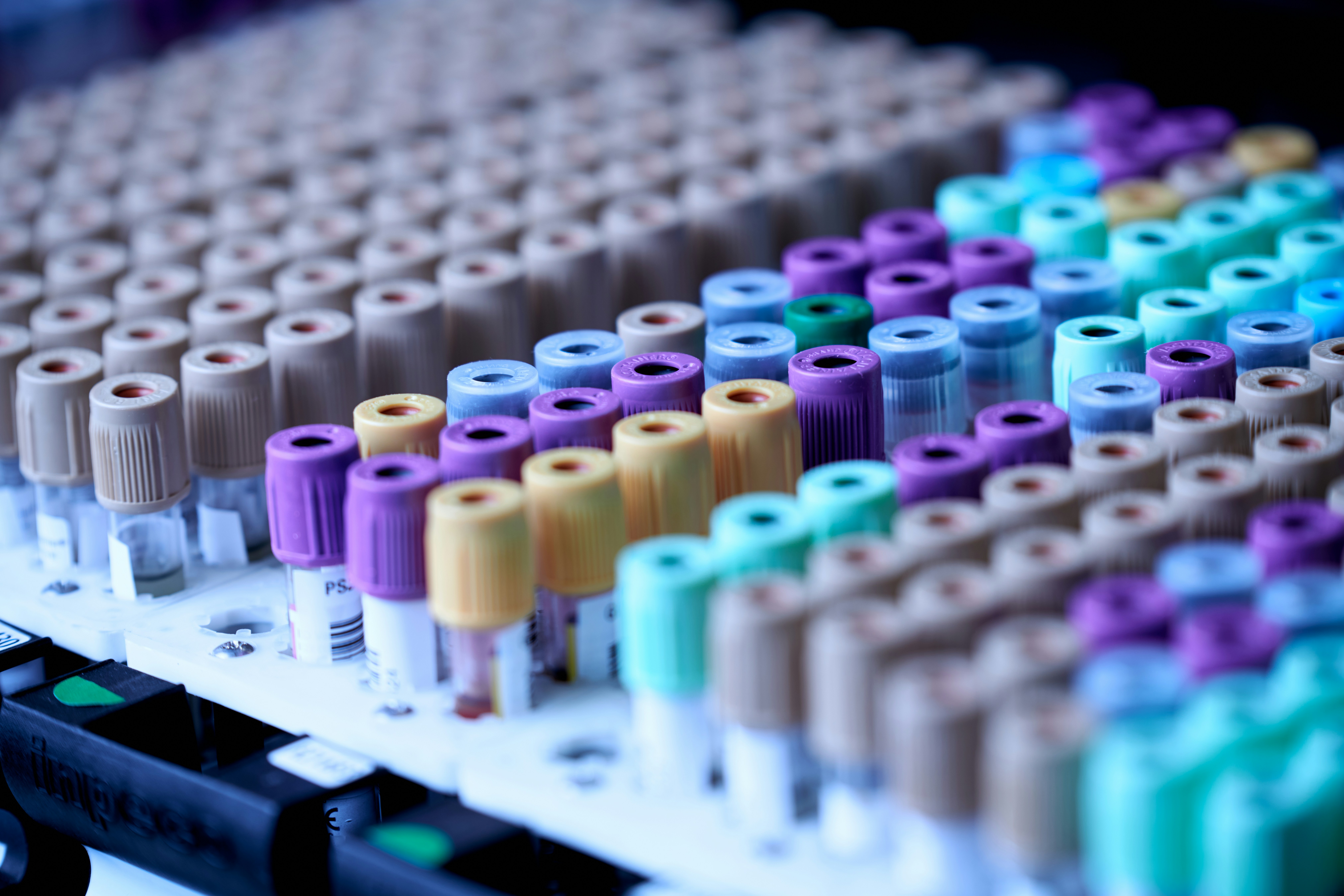
Lipid Profile
Explore lipid profile blood tests that measure cholesterol and triglycerides. Learn what your numbers mean for heart health and how to improve them naturally.
Lipid Profile - A blood test measuring fat and cholesterol levels.
Key Takeaways:
- A lipid profile is a blood test that measures cholesterol levels, including LDL (bad cholesterol), HDL (good cholesterol), triglycerides, and total cholesterol.
- It helps assess heart disease risk and monitor conditions like high cholesterol or cardiovascular disease.
- Elevated lipid levels can indicate a higher risk of heart attack, stroke, and other health issues.
The lipid profile test is an essential tool for understanding your heart health. This article explains what a lipid profile is, its purpose, and what the results can tell you about your overall health.
What Is a Lipid Profile?
A lipid profile, or lipid panel, is a blood test used to measure the levels of different types of cholesterol and fats in your blood.
Key Components Measured:
- Total Cholesterol - The overall amount of cholesterol in your blood.
- LDL Cholesterol (Low-Density Lipoprotein) - Known as "bad" cholesterol; high levels can lead to plaque buildup in arteries.
- HDL Cholesterol (High-Density Lipoprotein) - Known as "good" cholesterol; helps remove bad cholesterol from your bloodstream.
- Triglycerides - A type of fat that, when elevated, can increase the risk of heart disease.
- VLDL (Very-Low-Density Lipoprotein) - Another type of bad cholesterol, often estimated as part of the triglyceride measurement.
Why Is a Lipid Profile Important?
- Assessing Heart Disease Risk
- High levels of LDL cholesterol and triglycerides are associated with an increased risk of heart attack and stroke.
- Monitoring Treatment Effectiveness
- For individuals on cholesterol-lowering medications or lifestyle changes, the test tracks progress and ensures treatment is effective.
- Preventive Screening
- Regular lipid profile tests can help identify problems early, even before symptoms arise.
What Do the Results Mean?
| Lipid | Normal Range | High Level Risk |
|---|---|---|
| Total Cholesterol | <200 mg/dL | Increased risk of heart disease |
| LDL Cholesterol | <100 mg/dL | Plaque buildup in arteries |
| HDL Cholesterol | >60 mg/dL | Protective against heart disease |
| Triglycerides | <150 mg/dL | Higher risk of cardiovascular issues |
What Happens If Lipid Levels Are High?
- Atherosclerosis: Plaque buildup in arteries, leading to narrowed or blocked blood vessels.
- Heart Attack or Stroke: Increased risk due to reduced blood flow to the heart or brain.
- Pancreatitis: Very high triglycerides can inflame the pancreas.
If results indicate high lipid levels, your healthcare provider may recommend lifestyle changes, such as improving diet and increasing physical activity, or prescribe cholesterol-lowering medications like statins.
How to Prepare for a Lipid Profile Test
- Fasting: Most lipid profile tests require fasting for 9-12 hours before the blood draw.
- Avoid Alcohol: Alcohol can affect triglyceride levels, so it’s best to avoid it for at least 24 hours before the test.
- Stay Hydrated: Drink plenty of water to ensure a smooth blood draw.
Conclusion
A lipid profile test is a valuable tool for assessing heart health and identifying risks associated with high cholesterol and triglycerides. By regularly monitoring your lipid levels and making necessary lifestyle adjustments, you can protect your heart and reduce the risk of serious health conditions.
Remember to discuss your test results with a healthcare professional to create a personalised plan for improving or maintaining your cholesterol levels.
Related Terms
- Cholesterol - A waxy substance found in your blood; high levels can lead to heart disease.
- Triglycerides - A type of fat in the blood that, when elevated, increases cardiovascular risk.
- Atherosclerosis - A condition where arteries narrow due to plaque buildup.