
Polyunsaturated Fatty Acids
Explore polyunsaturated fatty acids—healthy fats your body needs for heart and brain function. Learn about omega-3 and omega-6 sources and optimal intake ratios.
Sophie's Key takeaways1. Polyunsaturated Fatty Acids (PUFAs) are essential fats that support heart health, reduce inflammation, and promote brain function.
2. The best sources include fatty fish, flaxseeds, walnuts, and vegetable oils, rich in omega-3 and omega-6 fatty acids.Fats often get a bad reputation, but not all fats are created equal. Polyunsaturated fatty acids (PUFAs) are a group of healthy fats, providing numerous benefits for heart health, cognitive function, and inflammation reduction. Unlike saturated fats, PUFAs can help lower bad cholesterol (LDL) levels and reduce the risk of chronic diseases when consumed as part of a balanced diet.# What Are Polyunsaturated Fatty Acids (PUFAs)?PUFAs are a type of fat molecule containing more than one double bond in their chemical structure. This makes them liquid at room temperature and a healthier choice compared to saturated fats, which are solid at room temperature.There are two main types of PUFAs:1. Omega-3 Fatty Acids – Known for their anti-inflammatory properties and heart health benefits.
2. Omega-6 Fatty Acids – Essential for the body, but should be balanced with omega-3s to maintain optimal health.Both omega-3 and omega-6 fatty acids are essential, meaning they must be obtained through the diet since the body cannot produce them.
PUFAs are a type of fat molecule containing more than one double bond in their chemical structure. This makes them liquid at room temperature and a healthier choice compared to saturated fats, which are solid at room temperature.There are two main types of PUFAs:1. Omega-3 Fatty Acids – Known for their anti-inflammatory properties and heart health benefits.
2. Omega-6 Fatty Acids – Essential for the body, but should be balanced with omega-3s to maintain optimal health.Both omega-3 and omega-6 fatty acids are essential, meaning they must be obtained through the diet since the body cannot produce them.## Health Benefits of Polyunsaturated Fatty Acids1. Improves Heart Health
- PUFAs can help lower LDL (bad) cholesterol and raise HDL (good) cholesterol, reducing the risk of heart disease. Omega-3 fatty acids, particularly, help reduce triglyceride levels and prevent blood clots.
- Reduces Inflammation
- Omega-3s are known for their anti-inflammatory properties, helping to reduce the risk of chronic inflammation-related conditions such as arthritis, asthma, and inflammatory bowel disease.
- Supports Brain Function
- Omega-3 fatty acids are essential for brain health, supporting memory, cognition, and mood regulation.
- Improves Vision
- Omega-3s, particularly DHA, are crucial for eye health and may help prevent age-related macular degeneration (AMD).
- Promotes Healthy Skin
- PUFAs help maintain skin hydration, improve elasticity, and reduce the risk of inflammatory skin conditions like eczema.
- Supports Pregnancy and Infant Development
- Omega-3 fatty acids are essential for the development of the baby’s brain and eyes during pregnancy.
- Improves Heart Health
- PUFAs can help lower LDL (bad) cholesterol and raise HDL (good) cholesterol, reducing the risk of heart disease. Omega-3 fatty acids, particularly, help reduce triglyceride levels and prevent blood clots.
- Reduces Inflammation
- Omega-3s are known for their anti-inflammatory properties, helping to reduce the risk of chronic inflammation-related conditions such as arthritis, asthma, and inflammatory bowel disease.
- Supports Brain Function
- Omega-3 fatty acids are essential for brain health, supporting memory, cognition, and mood regulation.
- Improves Vision
- Omega-3s, particularly DHA, are crucial for eye health and may help prevent age-related macular degeneration (AMD).
- Promotes Healthy Skin
- PUFAs help maintain skin hydration, improve elasticity, and reduce the risk of inflammatory skin conditions like eczema.
- Supports Pregnancy and Infant Development
- Omega-3 fatty acids are essential for the development of the baby’s brain and eyes during pregnancy.### Best Sources of Polyunsaturated Fatty AcidsWhile omega-6 fatty acids are important, it is crucial to maintain a healthy balance between omega-3 and omega-6 fatty acids in the diet, as excessive omega-6 intake relative to omega-3s can promote inflammation. tableHtml += ''; tableHtml += ''; data.forEach((row) => { tableHtml += ``; headers.forEach(header => { tableHtml += `${row[header]}`; }); tableHtml += ''; }); tableHtml += ''; const tableDiv = document.getElementById('dynamic-table'); if (tableDiv) { tableDiv.innerHTML = tableHtml; } else { console.error("Dynamic table div not found in the DOM."); } } catch (error) { console.error("Error parsing or rendering table data:", error); } }); ,
While omega-6 fatty acids are important, it is crucial to maintain a healthy balance between omega-3 and omega-6 fatty acids in the diet, as excessive omega-6 intake relative to omega-3s can promote inflammation. tableHtml += ''; tableHtml += ''; data.forEach((row) => { tableHtml += ``; headers.forEach(header => { tableHtml += `${row[header]}`; }); tableHtml += ''; }); tableHtml += ''; const tableDiv = document.getElementById('dynamic-table'); if (tableDiv) { tableDiv.innerHTML = tableHtml; } else { console.error("Dynamic table div not found in the DOM."); } } catch (error) { console.error("Error parsing or rendering table data:", error); } }); ,#### How to Incorporate More PUFAs Into Your Diet1. Eat Fatty Fish Twice a Week – Include fish like salmon, mackerel, and sardines for a natural source of omega-3s.
2. Add Flaxseeds or Chia Seeds to Smoothies and Oatmeal – A simple way to boost your omega-3 intake.
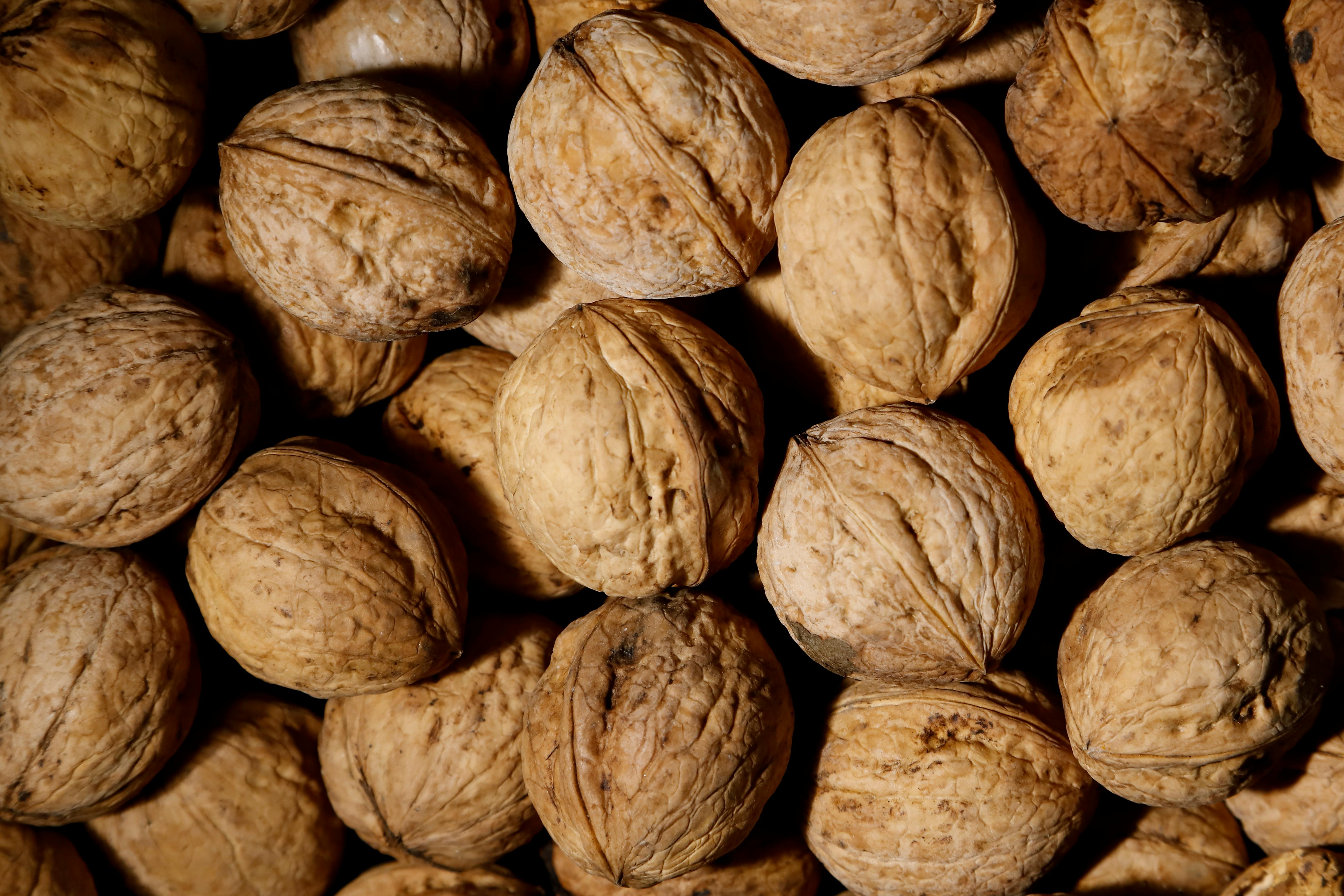
3. Snack on Walnuts – A heart-healthy snack that provides both omega-3s and antioxidants.
4. Cook with Olive Oil or Avocado Oil – Use these healthy oils for cooking and dressings.
5. Include Seeds in Salads and Yogurt – Sprinkle sunflower, sesame, or hemp seeds on your meals for a nutrient boost.
- Eat Fatty Fish Twice a Week – Include fish like salmon, mackerel, and sardines for a natural source of omega-3s.
- Add Flaxseeds or Chia Seeds to Smoothies and Oatmeal – A simple way to boost your omega-3 intake.
- Snack on Walnuts – A heart-healthy snack that provides both omega-3s and antioxidants.
- Cook with Olive Oil or Avocado Oil – Use these healthy oils for cooking and dressings.
- Include Seeds in Salads and Yogurt – Sprinkle sunflower, sesame, or hemp seeds on your meals for a nutrient boost.###### ConclusionPolyunsaturated fatty acids (PUFAs) are essential fats supporting heart health, reduce inflammation, and promote brain function. By incorporating sources of omega-3 and omega-6 fatty acids into your diet, you can enhance your overall well-being and reduce the risk of chronic diseases.Choose healthy fats like fatty fish, nuts, seeds, and plant-based oils to get the benefits of PUFAs and enjoy a healthier, balanced diet.#### Related terms1. Omega-3 Fatty Acids – A type of polyunsaturated fat found in fish, flaxseeds, and walnuts, known for its anti-inflammatory and heart-healthy benefits.
- Omega-6 Fatty Acids – A type of polyunsaturated fat found in vegetable oils, nuts, and seeds, important for overall health but should be balanced with omega-3s.
- Triglycerides – A type of fat found in the blood that can be reduced by omega-3 fatty acids to lower heart disease risk.
ConclusionPolyunsaturated fatty acids (PUFAs) are essential fats supporting heart health, reduce inflammation, and promote brain function. By incorporating sources of omega-3 and omega-6 fatty acids into your diet, you can enhance your overall well-being and reduce the risk of chronic diseases.Choose healthy fats like fatty fish, nuts, seeds, and plant-based oils to get the benefits of PUFAs and enjoy a healthier, balanced diet.#### Related terms1. Omega-3 Fatty Acids – A type of polyunsaturated fat found in fish, flaxseeds, and walnuts, known for its anti-inflammatory and heart-healthy benefits.
- Omega-6 Fatty Acids – A type of polyunsaturated fat found in vegetable oils, nuts, and seeds, important for overall health but should be balanced with omega-3s.
- Triglycerides – A type of fat found in the blood that can be reduced by omega-3 fatty acids to lower heart disease risk.
Conclusion
By understanding and applying this information, you can make informed decisions about your health and nutrition.