
Neurotransmitters
Explore neurotransmitters—chemical messengers in your brain affecting mood, sleep, and cognition. Learn how diet and lifestyle influence serotonin, dopamine, and other key signals.
Neurotransmitters - Chemicals in the brain that transmit signals, affecting mood and cognition.
\n\nKey Takeaways:
- Neurotransmitters are chemical messengers that transmit signals between neurons in the brain and nervous system.
- They play a crucial role in regulating mood, memory, and physiological functions.
- Imbalances in neurotransmitter levels can lead to mental health disorders, such as depression or anxiety.
What Are Neurotransmitters?
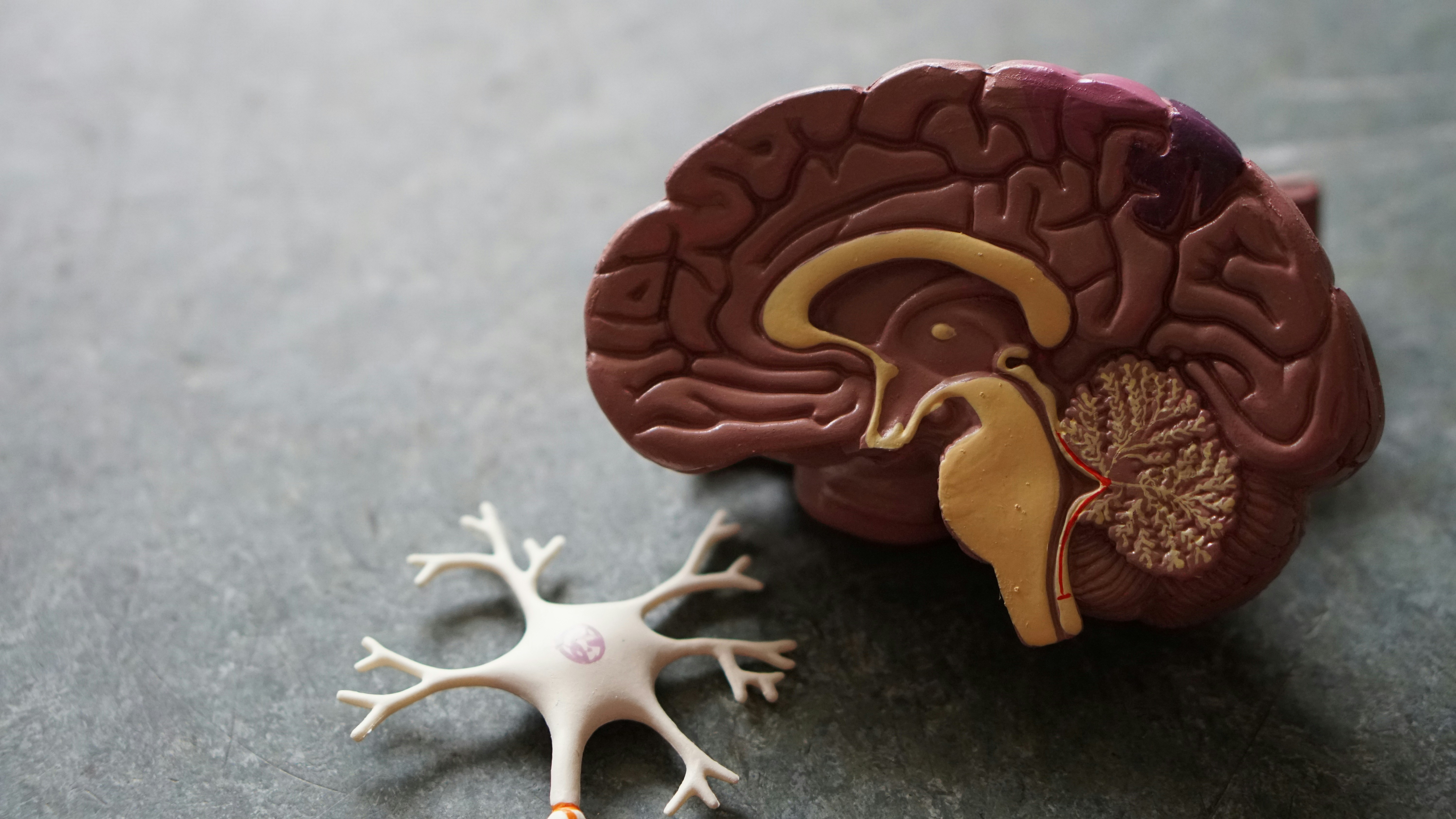
Neurotransmitters are molecules that facilitate communication within the nervous system. They transmit signals across synapses (the gaps between neurons), enabling brain functions like learning, emotion, and physical movement.
Types of Neurotransmitters:
- Excitatory: Increase the likelihood of a neuron firing (e.g., glutamate).
- Inhibitory: Decrease neuron firing to balance signals (e.g., GABA).
- Modulatory: Regulate broader neural activity and influence excitatory or inhibitory signals (e.g., dopamine).
What Do Neurotransmitters Do?
1. Regulate Mood and Emotions
Neurotransmitters like serotonin and dopamine are involved in mood regulation, motivation, and emotional stability.
2. Control Cognitive Functions
Acetylcholine supports learning and memory, while norepinephrine enhances focus and alertness.
3. Manage Bodily Functions
Neurotransmitters influence heart rate, digestion, and muscle contractions, showcasing their impact beyond the brain.
4. Aid in Stress Response
Adrenaline and cortisol are neurotransmitters that help the body respond to stress.
How Are Neurotransmitters Released?
Neurotransmitters are released in response to electrical signals in the brain. When a neuron is activated, it sends a signal to its synaptic terminal, releasing neurotransmitters into the synaptic gap. These molecules then bind to receptors on the adjacent neuron, triggering a specific response.
Why Are Neurotransmitters Reabsorbed?
Neurotransmitters are reabsorbed or broken down after completing their function to maintain balance and prevent overstimulation. This process, called reuptake, is crucial for regulating signal strength and duration.
What Happens If Neurotransmitters Are Imbalanced?
Low Levels:
- Linked to mental health conditions like depression, anxiety, and ADHD.
- Can cause memory loss, fatigue, or lack of focus.
Excess Levels:
- May lead to overstimulation, contributing to conditions like schizophrenia or seizures.
Boosting Neurotransmitter Health
1. Balanced Diet
Foods rich in amino acids (e.g., eggs, fish, nuts) support neurotransmitter production.
2. Regular Exercise
Physical activity stimulates the release of endorphins and serotonin, improving mood and cognitive function.
3. Adequate Sleep
Proper rest helps maintain neurotransmitter balance and supports brain recovery.
4. Stress Management
Mindfulness and relaxation techniques can prevent neurotransmitter depletion.
Conclusion
Neurotransmitters are vital for brain and body function, influencing everything from mood to muscle control. By maintaining a healthy lifestyle, you can support neurotransmitter balance and overall mental health.
Related Terms
- Dopamine: A neurotransmitter linked to pleasure and motivation.
- Serotonin: Regulates mood, sleep, and appetite.
- Synapse: The gap where neurotransmitter signals are exchanged.