
Isoflavones
Discover isoflavones, plant phytoestrogens in soy, that support hormone balance, menopause relief, and bone and heart health, with top sources.
Key Takeaways
- - Isoflavones are plant-based compounds, predominantly found in soy products, known for their potential hormone-like effects.
- - They may support hormone balance, particularly during menopause, and offer antioxidant properties.
Isoflavones - Plant compounds with antioxidant effects, found in foods like soy.
Key Takeaways:
- Isoflavones are plant-based compounds, predominantly found in soy products, known for their potential hormone-like effects.
- They may support hormone balance, particularly during menopause, and offer antioxidant properties.
Isoflavones are a fascinating group of phytoestrogens with numerous potential health benefits. This article delves into what isoflavones are, their primary health advantages, and how to incorporate them into your diet.
What Are Isoflavones?
Isoflavones are naturally occurring compounds classified as phytoestrogens, which are plant-based substances capable of mimicking the hormone oestrogen in the body. Found mainly in soy and other legumes, isoflavones are valued for their role in hormone regulation and overall health.
Key sources of isoflavones include:
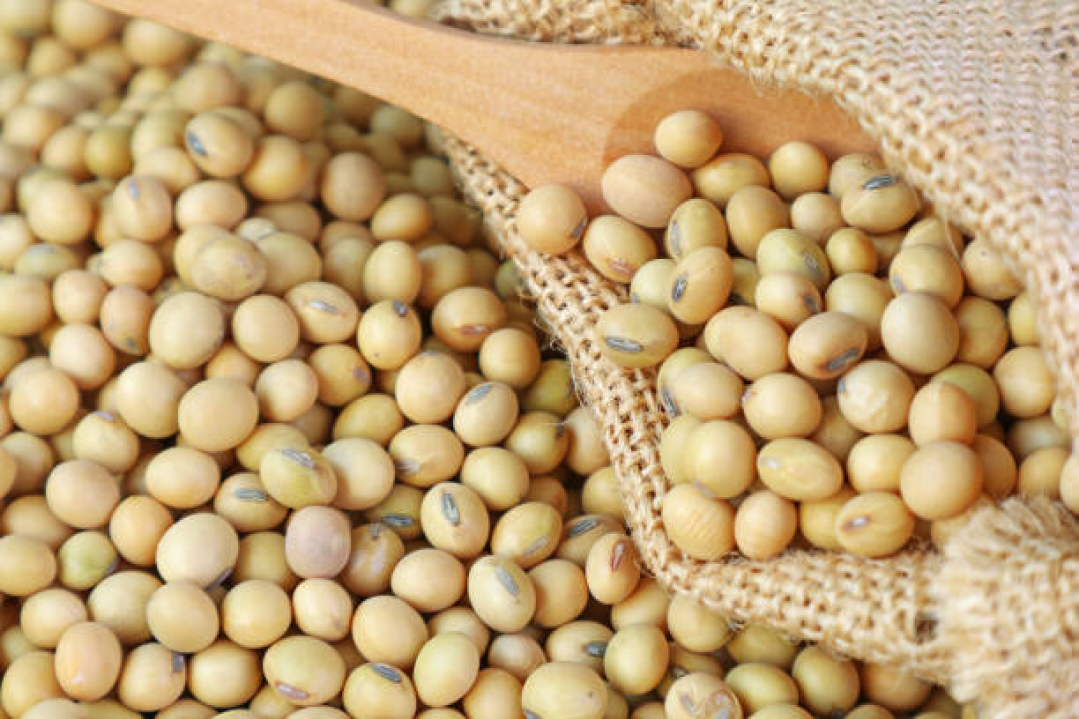
- Soybeans
- Tofu
- Soy milk
- Tempeh
- Edamame
These compounds are widely studied for their potential in supporting women's health, particularly during menopause.
Health Benefits of Isoflavones
- Supports Hormone Balance
- Isoflavones may help alleviate menopause symptoms like hot flashes and night sweats by mimicking oestrogen.
- Promotes Bone Health
- Research suggests isoflavones may reduce the risk of osteoporosis by supporting bone density.
- Antioxidant Properties
- Isoflavones combat oxidative stress, reducing the risk of chronic conditions such as heart disease.
- May Improve Heart Health
- Studies indicate that isoflavones can lower LDL cholesterol and support healthy blood vessels.
- Potential Cancer-Preventive Properties
- Some evidence suggests isoflavones may play a role in reducing the risk of hormone-related cancers, such as breast and prostate cancer.
Best Sources of Isoflavones
Incorporating foods rich in isoflavones is the most effective way to reap their health benefits.
| Food | Isoflavone Content |
|---|---|
| Soybeans | High |
| Tofu | High |
| Soy Milk | Moderate |
| Tempeh | High |
| Edamame | Moderate |
Isoflavone supplements are also available but should be used cautiously, especially if you have hormone-sensitive conditions.
Isoflavone Supplements: A Note of Caution
While supplements can provide concentrated doses of isoflavones, it is recommended to prioritise whole foods for their added nutrients and fibre. If you are considering supplements, consult a healthcare provider, particularly if you are pregnant, breastfeeding, or managing hormone-related health issues.
Conclusion
Isoflavones are powerful plant compounds with a range of health benefits, from supporting hormone balance during menopause to promoting heart and bone health. By incorporating isoflavone-rich foods like tofu, soy milk, and edamame into your diet, you can naturally enhance your well-being.
As with any health-related decision, balance and informed choices are key—enjoy isoflavone-rich foods as part of a varied and nutritious diet.
Related Terms
- Phytoestrogens - Plant-based compounds with oestrogen-like properties.
- Menopause - The stage in a woman's life when isoflavones may help alleviate symptoms like hot flashes.
- Antioxidants - Substances like isoflavones that reduce oxidative stress and inflammation.